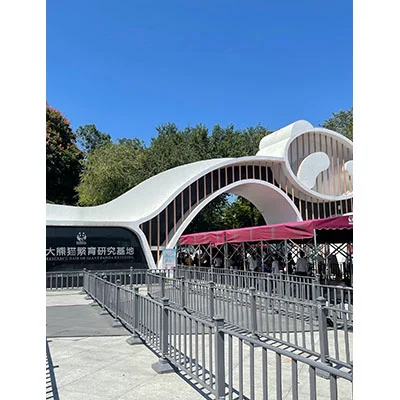
Spring in Chengdu is not just about cherry blossoms, mild breezes, and the scent of Sichuan peppercorns wafting from street-side hotpot stalls. It is also the season when the city’s cultural soul awakens, and nowhere is this more palpable than in its annual spring calligraphy and painting exhibition
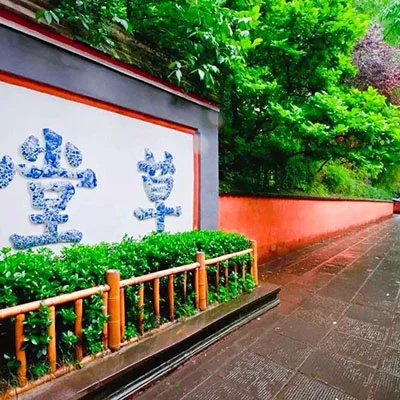
Chengdu, the capital of Sichuan Province, is a city that pulses with a unique rhythm. It is a place where the ancient and the modern collide in the most harmonious way. While most travelers flock here for the giant pandas or the fiery hotpot, there is a deeper, more spiritual layer to this city that
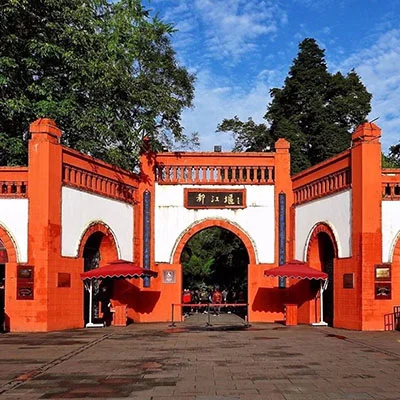
Chengdu, the capital of Sichuan province, has long been a magnet for travelers drawn to its spicy cuisine, giant pandas, and laid-back lifestyle. But since the pandemic reshaped global travel, navigating the city’s entry requirements has become a puzzle. This guide breaks down everything you need to
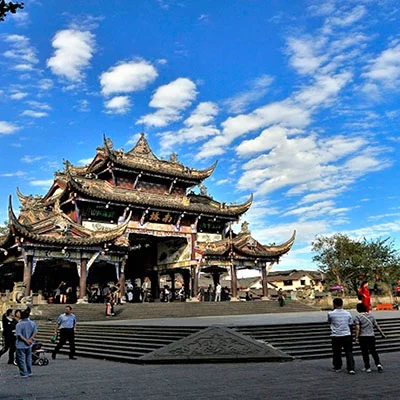
Chengdu, the vibrant capital of Sichuan province, has long been celebrated for its spicy cuisine, giant pandas, and laid-back lifestyle. But in recent years, this sprawling metropolis has quietly been transforming itself into a more inclusive destination for travelers with disabilities. While no cit
Chengdu, the capital of Sichuan Province, is a city that wears its history like a finely embroidered silk robe—elegant, intricate, and surprisingly modern. For centuries, it has been a crossroads of culture, commerce, and cuisine, but in recent years, it has emerged as one of China’s most dynamic to
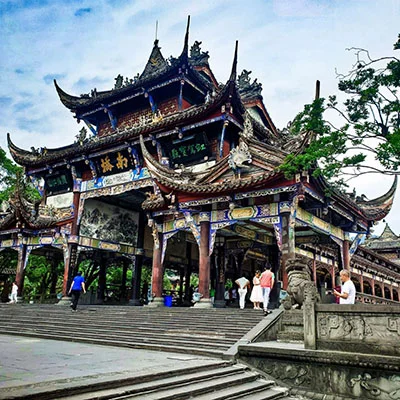
Chengdu, the capital of Sichuan province, is a city that needs no introduction to seasoned travelers. Famous for its spicy hotpot, adorable giant pandas, and a laid-back lifestyle that feels almost rebellious in modern China, Chengdu is a destination where ancient tea houses coexist with neon-lit sk
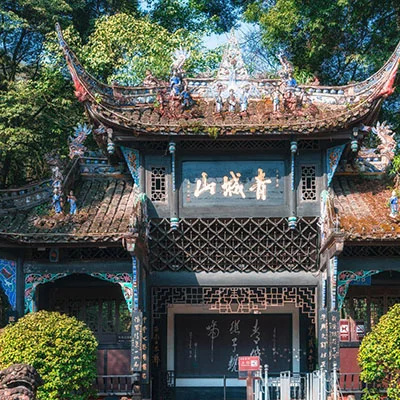
Planning a trip to Chengdu, the vibrant capital of Sichuan province, is an exhilarating experience. Known for its giant pandas, spicy hotpot, ancient teahouses, and the stunning Leshan Giant Buddha, Chengdu has become a top-tier destination for travelers from around the globe. But before you can div
Chengdu People’s Park, or Renmin Gongyuan, is not just a green oasis in the heart of Sichuan’s sprawling capital. It is a living museum of Chinese architectural evolution, a stage for daily rituals, and a hotspot for tourists seeking an authentic slice of Chengdu’s soul. Spanning over 112,000 square

Chengdu, the capital of Sichuan province, has long been a magnet for travelers seeking a blend of ancient culture, modern vibrancy, and, of course, the world-famous giant pandas. But for the solo explorer, this city offers something even more precious: a sense of effortless discovery. A single day i
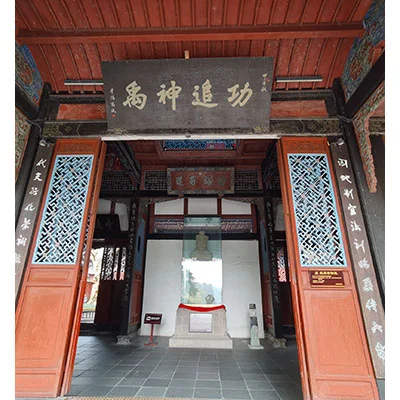
If you’re planning a trip to Sichuan, the draw of Chengdu’s spicy hotpot and sleepy pandas is undeniable. But just two hours south lies a destination that will genuinely humble you — the Leshan Giant Buddha. Carved into a cliff face during the Tang Dynasty, this 71-meter-tall stone colossus has been
Chengdu, the capital of Sichuan province, is a city that effortlessly blends modern urban energy with deep-rooted historical charm. While the city itself is famous for its spicy hotpot, adorable giant pandas, and laid-back teahouse culture, the real magic often lies just beyond its bustling streets.
Sichuan Opera, or Chuanju, is not merely a theatrical tradition—it is a living, breathing archive of Chinese history, philosophy, and community identity. For centuries, this art form has captivated audiences with its dazzling face-changing (bian lian), fire-spitting, and comedic pantomime. Yet in an
If you are planning a trip to Chengdu, the capital of Sichuan province and the unofficial panda capital of the world, you are in for a treat. This city is a chaotic, delicious, and endlessly fascinating blend of ancient tea houses, futuristic skyscrapers, and a nightlife scene that rivals Shanghai.
Chengdu, the capital of Sichuan province in southwestern China, has long been recognized by UNESCO as a City of Gastronomy. For travelers and food lovers, this city is not just a destination—it is a pilgrimage site for anyone who believes that the soul of a culture is best understood through its str
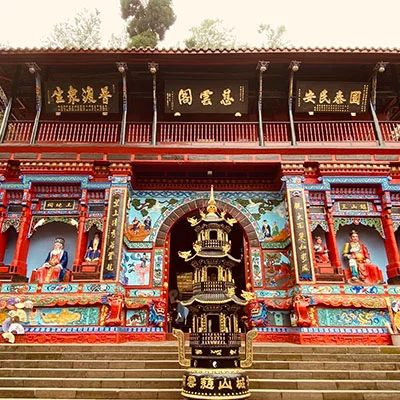
If you have ever dreamed of wandering through the misty bamboo forests of Chengdu, watching giant pandas lazily chew their bamboo sticks, or slurping down a bowl of spicy dandan noodles at a local street stall, you are not alone. Chengdu, the capital of Sichuan province, has become one of the most s
It’s 1:30 AM. You’re standing outside the arrival hall of Chengdu Tianfu International Airport (TFU) or maybe the older Shuangliu Airport (CTU). The last airport bus left twenty minutes ago. The metro stopped running at 11:00 PM. Taxis are scarce, and the ones that remain quote you a price that make
If you are planning a trip to China during the summer months, there is one cultural experience that should sit at the very top of your itinerary: a live Szechuan opera performance in Chengdu. While many travelers come to Sichuan province for the pandas, the spicy hotpot, or the misty landscapes of J
If there is one city in China that has earned a global reputation for its food, it is Chengdu. Nestled in the southwestern province of Sichuan, Chengdu is not just the capital of pandas and tea houses; it is the undisputed capital of bold, fiery, and deeply aromatic cuisine. For tourists, navigating
If there is one city in China that can claim to be the true heart of Sichuan cuisine, it is Chengdu. This sprawling, laid-back metropolis in the southwestern province of Sichuan has been recognized by UNESCO as a City of Gastronomy, and for good reason. The food here is not just fuel; it is a way of
Chengdu, the capital of Sichuan province, has long been a magnet for travelers drawn to its spicy cuisine, ancient teahouses, and the beloved giant pandas. But traveling to this vibrant city during the COVID-19 pandemic is a different beast entirely. While China has largely moved past the most sever